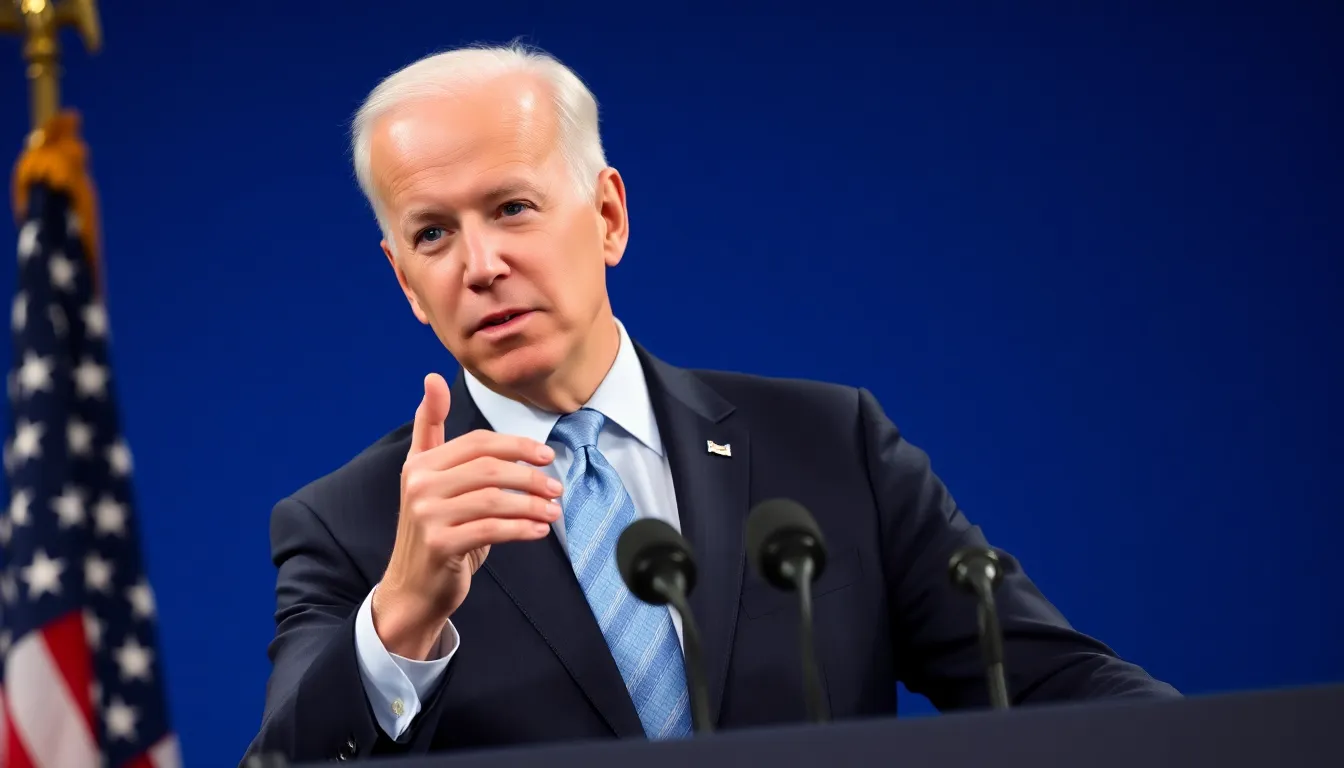
From 2020 to 2024, the United States witnessed a pivotal period in its political landscape. This era was marked by significant challenges and transformations, shaping not just the nation but also its role on the global stage. The presidency during these years played a crucial role in addressing pressing issues like the pandemic, economic recovery, and social justice movements.
As the nation navigated through unprecedented times, the leadership that emerged left a lasting impact on policies and public sentiment. Understanding who held the highest office during this transformative period offers valuable insights into the decisions and events that defined these years. This article delves into the presidency from 2020 to 2024, exploring the key moments and policies that characterized this dynamic administration.
Who Was President From 2020-2024
Joe Biden served as President of the United States from January 20, 2021, to January 20, 2025. Biden, a member of the Democratic Party, won the 2020 election against the incumbent president, Donald Trump, securing 306 electoral votes compared to Trump’s 232.
Biden’s presidency focused on addressing the COVID-19 pandemic, implementing widespread vaccination initiatives, and promoting economic recovery measures. Key policies included the American Rescue Plan, aimed at bolstering the economy with financial aid and support for individuals and businesses.
Social justice issues also gained prominence during Biden’s term. His administration prioritized initiatives to tackle systemic racism, reform policing practices, and advance LGBTQ+ rights. Significant executive orders sought to reverse policies from the previous administration, emphasizing unity and healing within the nation.
Foreign relations saw a shift as well, with Biden re-engaging in international agreements, notably rejoining the Paris Agreement on climate change. This commitment reflected a renewed focus on global cooperation in addressing climate-related challenges.
Throughout this period, Biden faced various challenges, including navigating political division, economic inflation, and international conflicts. Nevertheless, his leadership shaped a pivotal transformation in the U.S. political landscape during these years.
Key Events During This Presidency

The presidency from 2021 to 2025 featured significant developments in domestic policy and foreign relations. These events shaped the nation’s approach to pressing issues and defined its standing on the global stage.
Domestic Policies
Biden’s administration launched the American Rescue Plan in March 2021, a $1.9 trillion package aimed at stimulating economic recovery. This plan included direct payments to individuals, extended unemployment benefits, and funding for vaccine distribution.
Biden prioritized healthcare reform, expanding access to affordable insurance through the Affordable Care Act. His administration also emphasized climate change initiatives, rejoining the Paris Agreement and aiming for ambitious emission reduction targets.
Social justice movements gained traction, with Biden advocating for police reform and policies addressing systemic racism. The administration’s efforts included supporting voting rights legislation, which aimed to counteract restrictive state laws.
In 2022, inflation surged, prompting the Federal Reserve to increase interest rates to manage the economy’s recovery. Biden’s administration faced challenges but remained committed to addressing economic disparities, enhancing job creation, and promoting infrastructure investments through the Bipartisan Infrastructure Law.
Foreign Relations
Biden’s foreign policy strategy focused on restoring alliances and re-engaging with international organizations. He emphasized multilateralism, attending summits like the G7 and NATO to strengthen partnerships.
Tensions with China intensified, particularly surrounding trade practices and human rights issues. Biden sought to counter these challenges by rallying allies for a unified approach toward China’s global influence.
In the Middle East, Biden worked to renew the nuclear deal with Iran, navigating complex geopolitical dynamics. His administration dealt with the aftermath of the U.S. withdrawal from Afghanistan, facing criticism over the execution and impact on regional stability.
Biden’s approach toward Russia included sanctions in response to its aggressions, particularly concerning Ukraine. Collaborative efforts with the European Union aimed to address security concerns and promote democratic values.
These key events illustrate the complexities of Biden’s presidency, reflecting his administration’s significant influence on both domestic and global fronts.
Impact on the Economy
The Biden administration’s tenure from 2021 to 2025 significantly influenced the U.S. economy through policies aimed at recovery and resilience amidst challenges. Key initiatives aimed to address immediate economic needs while laying groundwork for long-term growth.
Economic Indicators
Economic indicators showed varied trends during Biden’s presidency. Gross Domestic Product (GDP) growth rebounded from a contraction due to the pandemic, registering a 6.4% increase in 2021. Inflation surged, with the Consumer Price Index (CPI) rising 7.0% year-over-year by December 2021, influenced by supply chain disruptions and increased demand. The unemployment rate steadily decreased, falling from 6.2% in February 2021 to 3.8% by February 2022. These metrics illustrate the dual impact of stimulus measures and economic recovery challenges.
| Indicator | Value | Date |
|---|---|---|
| GDP Growth | 6.4% | Q1 2021 |
| Unemployment Rate | 3.8% | February 2022 |
| CPI Year-over-Year Change | 7.0% | December 2021 |
Job Market Trends
Job market trends reflected recovery and growth during Biden’s presidency. The labor force participation rate, which measures the percentage of working-age individuals engaging in the job market, experienced gradual improvement, reaching 62.2% by February 2022. The administration’s initiatives, such as the American Rescue Plan, helped support millions of jobs in sectors impacted by the pandemic. Notably, the leisure and hospitality sectors added over 400,000 jobs in March 2022 alone, signifying a crucial recovery phase. Despite challenges, the overall trajectory pointed towards a strengthened job market during this period.
Social Issues and Reforms
Biden’s presidency from 2021 to 2025 focused heavily on social issues and reforms to address systemic inequities across the nation. Key initiatives included comprehensive police reform, with the aim of reducing incidents of police violence and ensuring accountability. The George Floyd Justice in Policing Act, proposed early in his administration, sought to establish national standards for police conduct, ban chokeholds, and improve data collection on police encounters.
Biden emphasized advancing LGBTQ+ rights, promoting legislation like the Equality Act, which aimed to prohibit discrimination based on sexual orientation and gender identity. He also supported policies to enhance protections for transgender individuals, particularly in healthcare and military service.
Efforts to tackle systemic racism formed a crucial part of his agenda. The administration launched initiatives to improve economic opportunities for communities of color, emphasizing equitable access to resources, education, and healthcare. Biden’s commitment included addressing environmental justice, ensuring that marginalized communities would not bear disproportionate burdens related to climate change.
Voting rights legislation received substantial attention, aiming to counter voter suppression efforts in various states. The John Lewis Voting Rights Advancement Act sought to restore protections previously stripped away by the Supreme Court, ensuring fair access to the electoral process.
Additionally, the administration recognized the impact of the COVID-19 pandemic on marginalized communities. Disproportionate rates of infection and mortality highlighted the urgent need for equitable healthcare responses. Federal initiatives focused on improving vaccine distribution and access in underserved areas, a crucial step in addressing health disparities exacerbated by the pandemic.
Biden’s presidency shaped numerous social reforms, exemplifying a commitment to equity and justice across various sectors. Each initiative targeted clear disparities and aimed to foster a more inclusive society.
The presidency from 2021 to 2025 marked a transformative era for the United States. Joe Biden’s administration tackled pressing issues like the pandemic and social justice while striving for economic recovery. His policies reflected a commitment to inclusivity and global cooperation, reshaping both domestic and foreign landscapes.
As the nation navigated challenges such as rising inflation and geopolitical tensions, Biden’s leadership aimed to foster resilience and unity. The initiatives launched during this period are likely to have lasting effects on the country’s trajectory. This presidency not only addressed immediate concerns but also set a foundation for future progress in various critical areas.