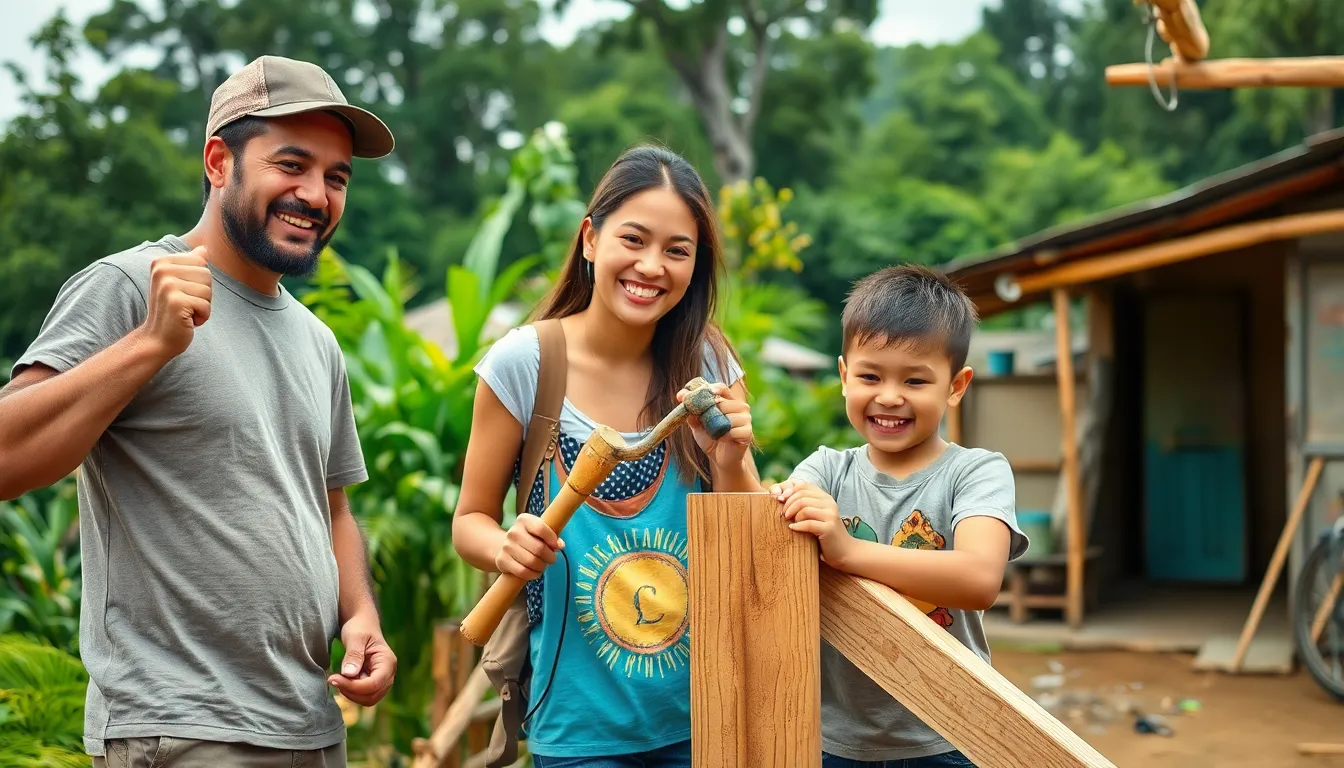
Volunteer trips with family offer a unique opportunity to bond while making a positive impact on communities in need. These experiences not only strengthen family ties but also instill valuable lessons about empathy and social responsibility. Families can explore new cultures, learn together, and create lasting memories, all while contributing to meaningful projects.
Whether it’s building homes, teaching children, or participating in environmental conservation, these trips encourage teamwork and foster a sense of purpose. As families navigate challenges and celebrate successes together, they discover the joy of giving back. With so many options available, planning a volunteer trip can be an exciting adventure that enriches everyone involved.
Benefits Of Volunteer Trips With Family
Volunteer trips with family provide unique opportunities for connection and growth. Families gain valuable experiences that enhance relationships, instill values, and create lasting memories.
Strengthening Family Bonds
Strengthening family bonds occurs through shared challenges and teamwork. Families work together on projects, such as building homes or participating in community service, which fosters collaboration and communication. Families develop trust and understanding by navigating new environments and tackling obstacles collectively. These shared experiences lead to deeper emotional ties, creating a foundation for stronger relationships that extend beyond the trip.
Teaching Life Lessons
Teaching life lessons emerges as families engage in volunteer activities. Participating in different cultures allows families to learn empathy and appreciation for diversity. Children gain insights into the importance of social responsibility and community involvement. Volunteer work also teaches resilience, adaptability, and the value of hard work. These lessons resonate long after the trip, guiding individuals in their future pursuits and interactions.
Planning A Family Volunteer Trip
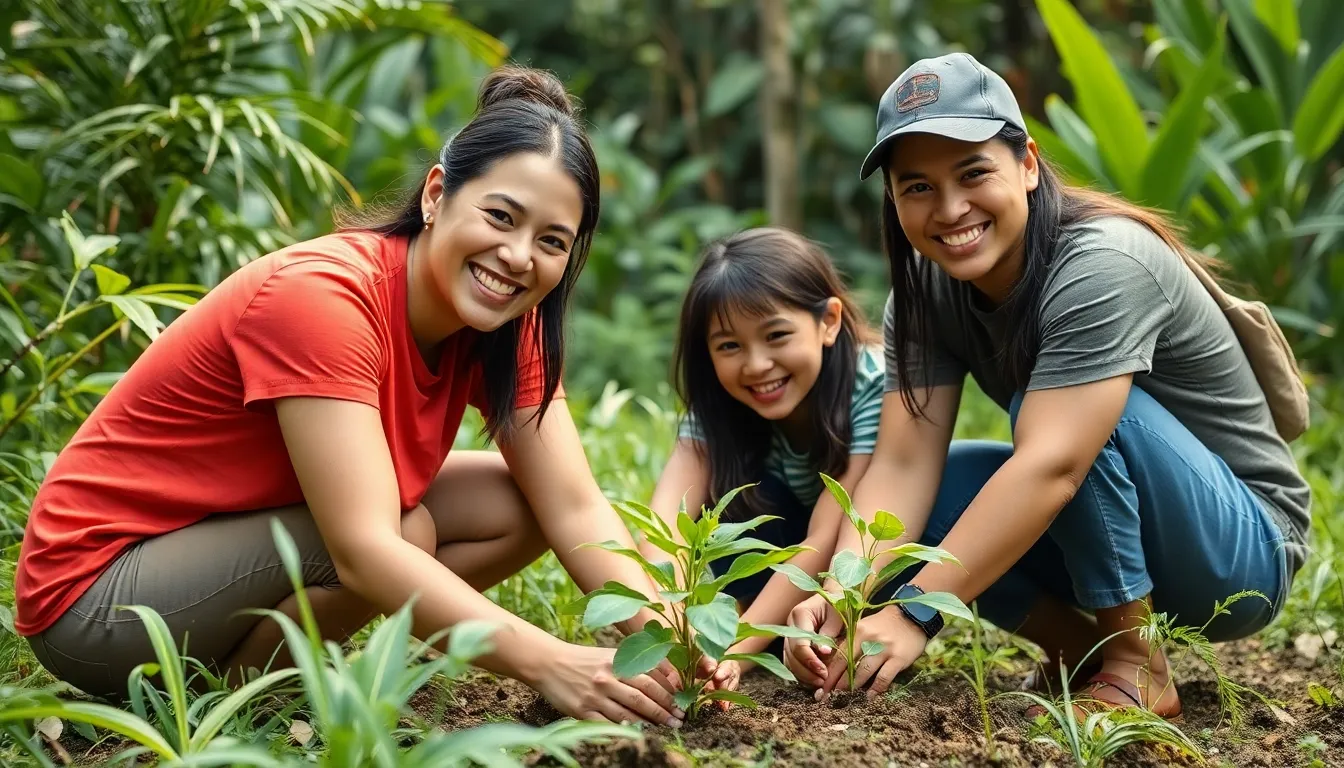
Planning a family volunteer trip involves careful consideration of various factors that enhance the experience. Families should prioritize destination selection and goal-setting to ensure a fulfilling journey.
Choosing The Right Destination
Choosing the right destination sets the foundation for a successful volunteer trip. Families should consider locations where they can contribute effectively while experiencing rich cultural exchanges. Many organizations offer volunteer opportunities in diverse areas, from rural communities to urban centers. Popular destinations include:
- Central America: Countries like Costa Rica or Guatemala provide opportunities in environmental conservation and education.
- Africa: Nations such as Kenya or South Africa offer projects focused on community development and wildlife preservation.
- Southeast Asia: Volunteering in countries like Vietnam or Thailand includes options for teaching English or participating in health initiatives.
Evaluating safety, local customs, and travel advisories enhances the trip’s overall safety and impact. Families must select destinations aligned with their interests and skills to maximize their contributions.
Setting Goals Together
Setting goals together helps families align their expectations and enhance their experience. Families should discuss their motivations for the trip to create shared objectives. Common goal-setting areas include:
- Skills Development: Focusing on learning new abilities, such as construction or gardening.
- Cultural Awareness: Aiming to immerse in local traditions and practices, promoting mutual respect.
- Community Impact: Defining the desired positive outcomes for the community, such as improved facilities or educational programs.
Engaging in this process fosters teamwork and cooperation, encouraging open dialogue about individual preferences and family values. Regularly reviewing these goals throughout the trip can help families stay focused and make adjustments as needed.
Types Of Volunteer Opportunities
Families can participate in various volunteer opportunities that align with their interests and values. Engaging in community service projects and environmental conservation initiatives provides meaningful experiences that foster growth and understanding.
Community Service Projects
Community service projects focus on addressing local needs and enhancing the quality of life for residents. Families can partake in initiatives such as:
- Building homes: Families contribute time and labor to construct shelters for those in need, impacting the housing crisis positively.
- Teaching: Families participate in educational programs, allowing them to share their knowledge and skills with underprivileged youth or adults
- Feeding programs: Families assist in preparing and distributing meals to food-insecure individuals, addressing hunger and poverty.
- Health campaigns: Families support local health initiatives, raising awareness about health issues and providing essential services, such as vaccination drives or health screenings.
Environmental Conservation Initiatives
Environmental conservation initiatives emphasize protecting natural resources and promoting sustainable practices. Families can engage in activities such as:
- Reforestation: Families help plant trees in deforested areas, contributing to wildlife habitat restoration and climate change mitigation.
- Beach cleanups: Families participate in litter removal activities along coastlines, safeguarding marine life and ensuring clean recreational spaces.
- Wildlife preservation: Families volunteer at wildlife sanctuaries, aiding in the rehabilitation of injured animals and educating the public about conservation efforts.
- Sustainable farming: Families work on organic farms, learning about sustainable agriculture practices while assisting local food systems.
Participating in these types of volunteer opportunities allows families to connect with their communities, develop valuable skills, and create lasting memories together while making a positive impact.
What To Expect On A Volunteer Trip
Families can expect a mix of meaningful work and immersive cultural experiences during a volunteer trip. Each day features planned activities designed to balance contributions with exploration.
Daily Activities
Daily activities vary based on the project and location but typically include hands-on tasks that align with community needs. Families might engage in building homes, participating in educational workshops, or assisting with local health initiatives. Mornings often focus on project work, allowing families to contribute significantly to local causes. Afternoon activities may include team reflections or planning sessions to discuss progress and challenges. Families might also enjoy recreational activities, providing opportunities for relaxation and bonding.
Cultural Experiences
Cultural experiences play a vital role in volunteer trips, fostering deeper connections with the local community. Families often participate in traditional meals, local festivals, and regional crafts, offering insights into the daily lives of community members. Engaging with local residents enhances understanding of cultural practices and promotes mutual respect. Families can also explore nearby landmarks and natural attractions, creating memorable experiences that extend beyond volunteer efforts. Such interactions enrich family bonds and cultivate appreciation for diverse cultures.
Tips For A Successful Family Volunteer Experience
Families can enhance their volunteer trips by preparing effectively and focusing on communication. Here are key strategies for a successful experience.
Preparing For The Trip
- Research Destinations: Families should investigate potential locations, considering cultural aspects, safety conditions, and types of volunteer work available.
- Gather Supplies: Families need to pack necessary items based on the volunteer activities. This includes personal care products, clothing suited for local climates, and any specific tools required by the project.
- Health Precautions: Families must schedule health check-ups and take necessary vaccinations before departure, ensuring that all family members stay healthy during the trip.
- Set Clear Goals: Families can outline specific objectives for their trip, such as skills they aim to learn, cultural experiences they desire, or community goals they’d like to achieve.
Communicating As A Family
- Establish Open Dialogue: Families should encourage ongoing discussions about expectations and concerns related to the trip, fostering a supportive environment.
- Assign Roles: Families can assign different responsibilities to each member, facilitating teamwork and ensuring everyone contributes to the project’s success.
- Reflect Together: Families must set aside time for group reflections throughout the trip, discussing experiences and feelings, which strengthens emotional connections.
- Celebrate Achievements: Families can acknowledge both small and large successes, enhancing motivation and reinforcing a shared sense of purpose during the volunteer experience.
Volunteer trips with family offer a unique opportunity to bond while making a positive impact. These experiences not only enrich relationships but also teach invaluable lessons about empathy and community. Families can explore new cultures together and develop teamwork skills through shared challenges.
By choosing the right destination and setting clear goals, families can ensure a meaningful experience that resonates long after the trip. Engaging in community service or environmental initiatives fosters a sense of purpose and connection. Ultimately, these trips create lasting memories that strengthen family ties and inspire future involvement in community service.