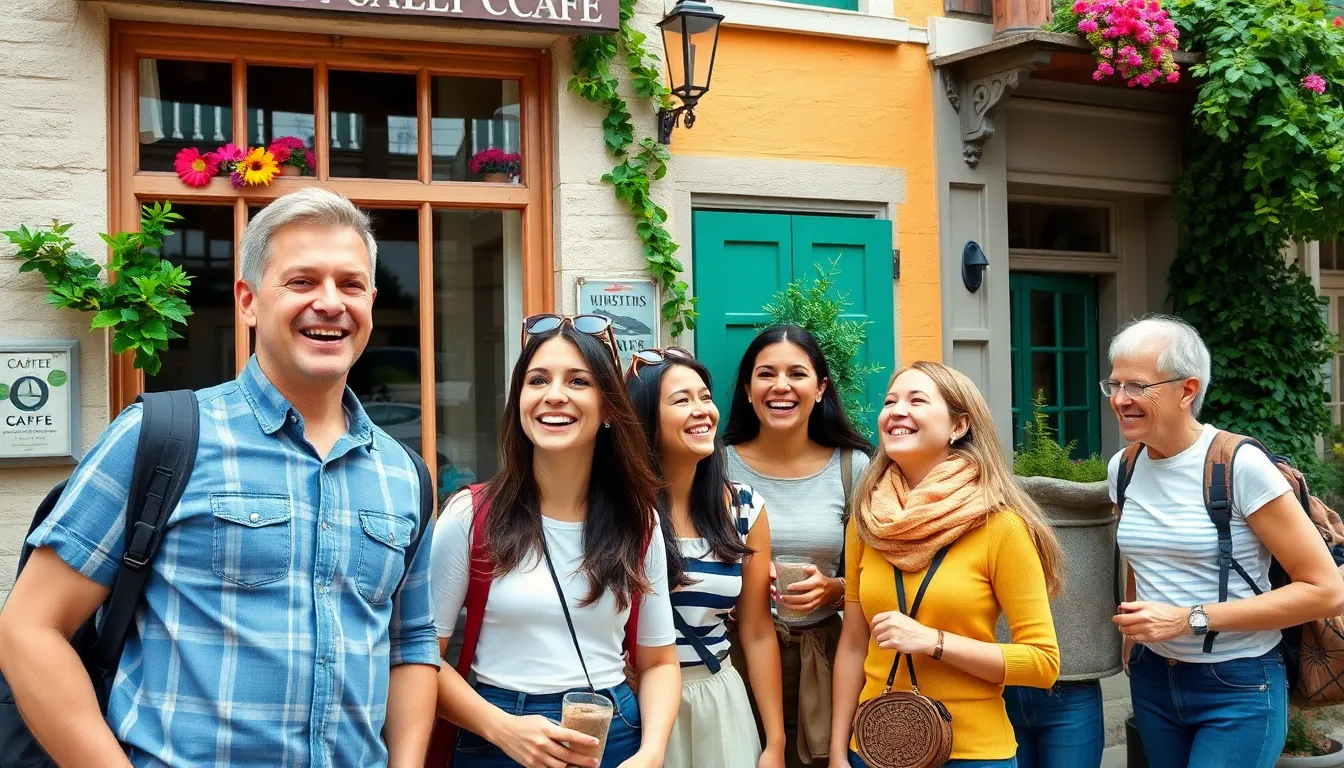
Traveling on a budget doesn’t mean sacrificing adventure or experiencing new cultures. Regional budget travel offers a fantastic way for wanderers to explore nearby destinations without breaking the bank. From charming small towns to breathtaking natural landscapes, the possibilities are endless and often overlooked.
With careful planning and a little creativity, travelers can uncover hidden gems right in their own backyard. Affordable accommodations, local eateries, and budget-friendly activities await those willing to venture off the beaten path. Embracing regional travel not only supports local economies but also provides a richer, more authentic experience. Whether it’s a weekend getaway or a longer road trip, regional budget travel is the perfect way to satisfy the wanderlust without emptying the wallet.
Understanding Regional Budget Travel
Regional budget travel involves exploring nearby destinations at a reduced cost, enabling adventurers to enjoy unique experiences without financial strain. This approach enhances local tourism while offering memorable escapes.
What Is Regional Budget Travel?
Regional budget travel focuses on discovering areas within a few hundred miles from home. It often includes short trips to neighboring states or local attractions that provide a change of scenery without the need for extensive travel. Key features of regional budget travel include the use of affordable transportation options like road trips and public transit, as well as selecting destinations that minimize travel expenses. Examples of regional trips include visiting state parks, historic towns, or cultural festivals within the same region.
Benefits of Regional Budget Travel
- Cost-effective options: Reduced travel expenses for transportation, accommodations, and activities lead to an affordable getaway.
- Local exploration: Regional travel encourages discovering hidden gems like quaint towns, scenic parks, and local eateries, often overlooked in favor of popular tourist spots.
- Economic support: Travelers contribute to local economies by spending on accommodations, dining, and attractions, which fosters community growth.
- Authentic experiences: Regional budget travel often immerses travelers in the local culture, providing a more genuine connection to the area.
- Flexibility: Short trips offer flexibility in planning, allowing for spontaneous decisions based on availability or weather conditions.
Popular Destinations for Regional Budget Travel

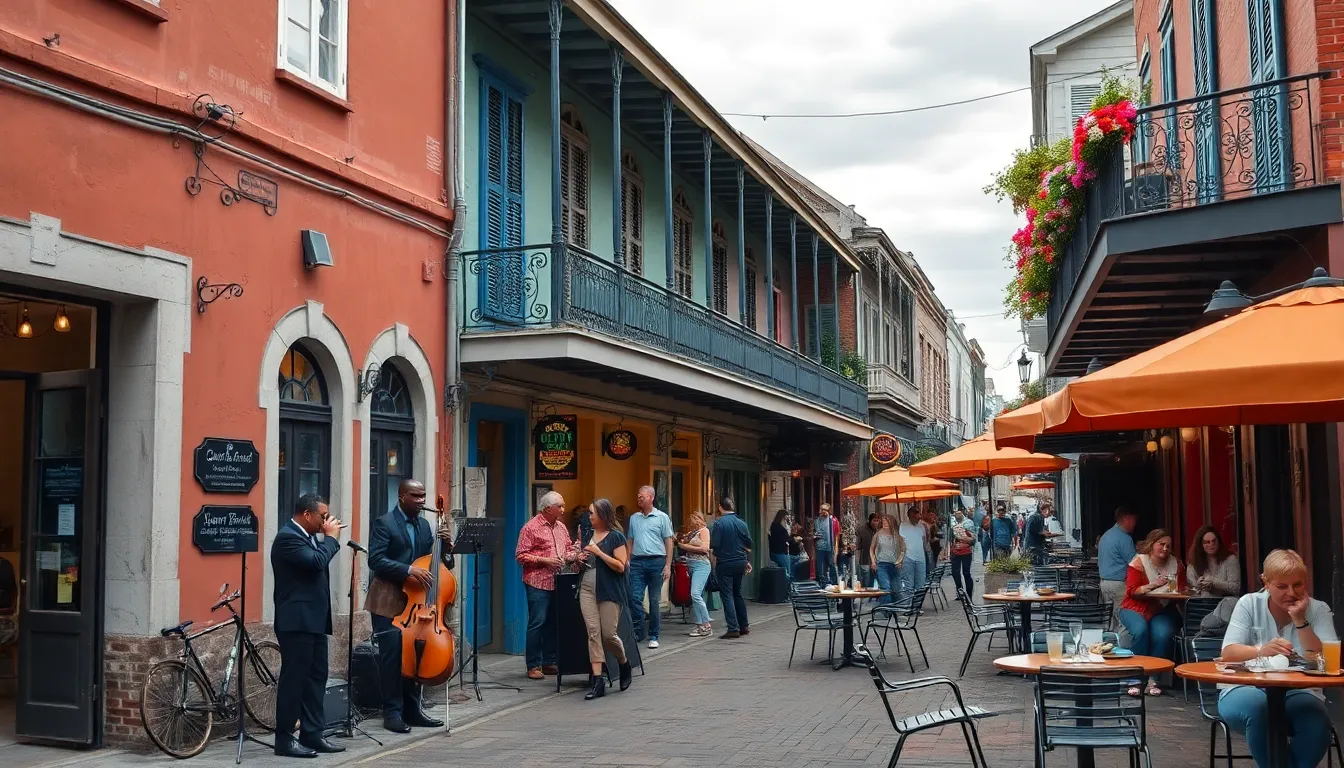
Regional budget travel includes various appealing destinations that offer unique experiences without high costs. Below are some prime locations for budget-conscious travelers.
Affordable Cities to Explore
- New Orleans, Louisiana
New Orleans features vibrant culture, live music, and delicious cuisine. Travelers enjoy free festivals and affordable accommodations in hostels.
- Santa Fe, New Mexico
Santa Fe boasts stunning adobe architecture and rich art scenes. Visitors can explore numerous galleries, with many free or low-cost events throughout the year.
- Nashville, Tennessee
Nashville attracts music lovers with free concerts and numerous parks. Budget travelers can find reasonably priced hotels and local eateries that serve authentic Southern food.
- Madison, Wisconsin
Madison offers beautiful lakes and outdoor activities. The city’s farmers’ markets provide affordable local dining options, while parks provide free recreational opportunities.
Hidden Gems Off the Beaten Path
- Hocking Hills, Ohio
Hocking Hills features breathtaking hiking trails and waterfalls. Visitors can enjoy camping and exploring nature without expensive entrance fees.
- Asheville, North Carolina
Asheville is known for its artsy vibe and nearby Blue Ridge Parkway. The city offers free outdoor events and affordable local eateries.
- Fredericksburg, Texas
Fredericksburg boasts a charming historic district and wineries. Travelers can explore the area’s scenic beauty and taste local wines at reasonable prices.
- Kenai Peninsula, Alaska
Kenai Peninsula presents stunning natural landscapes and wildlife viewing. Outdoor enthusiasts can enjoy hiking, fishing, and camping at minimal costs.
These destinations exemplify how regional budget travel can lead to fulfilling experiences while promoting local economies and cultures.
Tips for Successful Regional Budget Travel
Travelers can maximize their regional budget travel experiences by implementing strategic approaches to finding accommodations and transportation. Here are essential tips for accomplishing both.
Finding Cheap Accommodations
- Research various platforms: Use websites like Airbnb, Booking.com, or Hostelworld for diverse lodging options and competitive pricing.
- Consider off-peak travel: Book accommodations during off-peak seasons or weekdays for lower rates and greater availability.
- Look for discounts: Search for promotional codes or membership discounts on hotel booking sites or major chains.
- Stay in alternative lodgings: Explore hostels, motels, or campgrounds for affordable stays, especially in rural areas.
- Connect with locals: Use local community boards or social media groups to discover unique homestays or budget-friendly rentals.
Budget-Friendly Transportation Options
- Utilize public transit: Use buses or trains for cheap travel instead of relying on personal vehicles for short distances.
- Consider ridesharing: Explore rideshare services or carpooling apps to save on fuel costs when traveling with others.
- Plan road trips wisely: Map out routes with minimal tolls and stop at gas stations offering loyalty rewards to cut fuel expenses.
- Rent affordable vehicles: Compare rental car rates from different companies, focusing on smaller, fuel-efficient cars for better mileage.
- Take advantage of travel passes: Investigate regional travel passes that offer unlimited travel on public transportation within a designated area.
Traveling Responsibly in Regional Areas
Traveling responsibly in regional areas enhances the experience while contributing positively to local communities and the environment. Understanding how to support economies and minimize ecological footprints can lead to more sustainable adventures.
Supporting Local Economies
Travelers can significantly impact local economies by choosing to spend money at local businesses instead of larger chains. Engaging in community-run tours, dining at family-owned restaurants, and shopping at farmers’ markets promotes economic growth. According to a study by the American Independent Business Alliance, for every $100 spent at local businesses, approximately $68 remains within the community, compared to only $43 spent at national chains. Supporting local artisans and craftsmen helps preserve cultural heritage and ensures that the profits benefit the community directly.
Environmental Considerations
Travelers should be mindful of their environmental impact when exploring regional areas. Opting for eco-friendly transportation options, such as biking or utilizing public transport, reduces carbon footprints. Additionally, practicing Leave No Trace principles helps preserve natural sites. Simple actions like avoiding single-use plastics and sticking to marked trails protect ecosystems and wildlife. A 2022 study by the World Wildlife Fund emphasizes that sustainable practices in tourism can aid in the conservation of natural resources, ensuring their availability for future generations. Using reusable items, such as water bottles and shopping bags, minimizes waste and promotes sustainability while enjoying local attractions.