
Traveling across Europe doesn’t have to break the bank. Imagine sipping espresso in a quaint café in Paris or exploring ancient ruins in Rome without feeling like you’ve just sold a kidney. With a little creativity and savvy planning, anyone can experience the magic of Europe without the hefty price tag.
Understanding Budget Travel in Europe
Budget travel in Europe offers a wealth of opportunities to explore diverse cultures and landscapes without financial strain. Understanding costs associated with transportation, accommodation, and food is essential. He or she can save significantly by using budget airlines or trains for intercity travel. City passes often provide discounted public transport and entry to attractions, making exploration more cost-effective.
Accommodations range from hostels to budget hotels and vacation rentals. Staying in dormitory-style hostels, for example, can reduce lodging costs while fostering social connections. Campsites also provide affordable alternatives for adventurous travelers.
Dining out in Europe doesn’t need to break the bank. Local markets and street food options present inexpensive yet delicious meals, featuring regional specialties. Additionally, he or she can save money by selecting eateries away from tourist hotspots.
Shopping for souvenirs often burdens the budget if not approached wisely. Opting for local markets and artisan shops can yield unique finds without excessive prices.
Free attractions abound, so prioritizing these options allows for enjoyable visits without spending. Parks, museums with free entry days, and local festivals can enrich the itinerary while remaining wallet-friendly.
Travelers must plan their itineraries carefully. Prioritizing destinations and activities based on affordability maximizes experiences within budget constraints. Gathering information on discounts and exploring off-peak travel times can also lead to savings.
Overall, traveling across Europe affordably requires strategic planning and a proactive approach. Focusing on low-cost options ensures the ability to embrace the richness of European culture without overspending.
Planning Your Trip
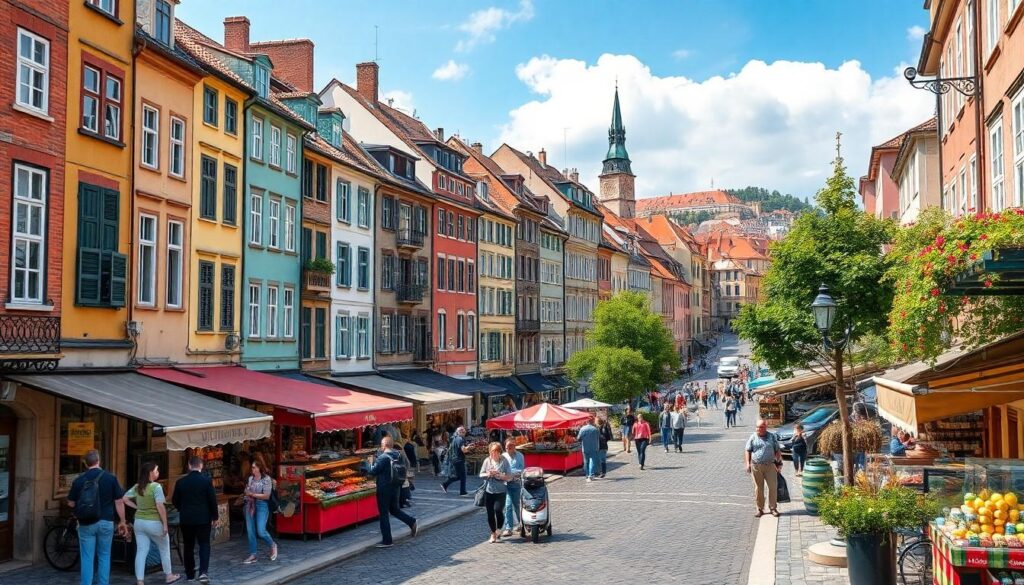
Planning a budget-friendly trip across Europe involves careful consideration of destinations and activities. Smart choices lead to significant savings while enjoying rich experiences.
Choosing Affordable Destinations
Selecting budget-friendly cities is crucial. Cities like Lisbon, Budapest, and Prague offer affordable accommodations and dining. Exploring Eastern Europe often yields lower expenses compared to Western Europe. Researching local events can reveal free or low-cost activities. Observing off-peak travel periods also results in lower prices for flights and stays. Additionally, prioritizing locations known for their culinary street food enhances the travel experience without the high costs. He or she can find great value in smaller towns, which often feature unique cultural experiences at a fraction of the price.
Creating a Budget-Friendly Itinerary
Developing a budget-conscious itinerary starts with prioritizing free attractions. Visiting parks and museums frequently offers free admission days or discounted rates. Segmenting travel days to group destinations reduces transportation costs. Incorporating local markets into the plan adds authentic dining experiences while keeping expenses low. Highlighting transit options like trains or buses enhances mobility without overspending. Searching for city passes can reveal bundled tickets for transport and attractions at reduced prices. Choosing accommodations near attractions helps minimize travel expenditure, making each day enjoyable and affordable.
Transportation Options
Exploring Europe on a budget requires savvy choices in transportation. Various cost-effective solutions exist to navigate from one beautiful destination to another.
Budget Airlines and Trains
Numerous budget airlines operate throughout Europe, providing economical flights between major cities. Popular carriers, like Ryanair and EasyJet, offer fares as low as $20 if booked in advance. Traveling by train also presents an affordable option, especially with regional rail services. Cities like Paris, Barcelona, and Berlin feature extensive train networks that allow travelers to reach nearby attractions efficiently. For those who plan ahead, rail passes like Eurail can save money on multiple journeys across countries.
Public Transportation Tips
Public transportation ranks as a smart choice for budget travelers. Subways, trams, and buses typically cover extensive areas in most European cities. They provide reliable service at lower prices compared to taxis. Many cities offer daily or weekly transport passes that can yield significant savings. When traveling, consider walking to nearby attractions to both save money and enjoy the local scenery. In many cases, transportation apps provide real-time information that helps navigate systems with ease. Always prioritize off-peak travel times to avoid overcrowded vehicles and enhance the overall experience.
Accommodation Choices
Finding affordable places to stay plays a crucial role in budget travel across Europe. Various options cater to thrifty travelers while ensuring comfort and local experiences.
Hostels and Budget Hotels
Hostels provide an excellent choice for budget-conscious travelers. Shared dormitories reduce costs, while private rooms offer more privacy at a reasonable price. Amenities often include communal kitchens, which encourage cooking and enhance interaction among travelers. Budget hotels are another viable option, frequently located near city centers. These hotels deliver basic necessities without unnecessary luxuries, making them perfect for a good night’s rest after exploring. Locations in less touristy neighborhoods often charge lower prices, while still granting easy access to public transport and attractions.
Alternative Accommodations
Alternative accommodations present creative ways to save money. Websites offer unique stays like local apartments or houses, which often include full kitchens for home-cooked meals. Staying with locals through homestays fosters cultural exchange and understanding. Camping gains popularity among adventurous travelers, especially in scenic areas where natural beauty abounds. Additionally, house-sitting arrangements provide free lodging in exchange for caretaking duties, helping travelers cut accommodation costs without sacrificing comfort. Exploring these diverse options enhances experiences, making budget travel more enjoyable and enriching.
Saving Money on Food
Travelers can enjoy delicious meals across Europe without overspending by being strategic. Opting for local dining options often yields authentic experiences at lower prices.
Eating Like a Local
Embracing local cuisine offers both cultural immersion and savings. Street vendors serve tasty meals like kebabs in Berlin or crepes in Paris at lower costs than sit-down restaurants. Markets provide fresh produce and regional delicacies, such as tapas in Spain or fresh pasta in Italy, allowing for budget-friendly culinary experiences. Dining at cafés favored by locals instead of tourist hotspots leads to reasonable prices and authentic flavors. Students and traveling professionals find area guides that highlight hidden gems, helping them navigate the culinary landscape without breaking the bank.
Cooking Your Own Meals
Preparing meals in accommodations with kitchen facilities reduces overall food expenses. Gathering local ingredients from supermarkets or farmers’ markets delivers fresh options while exploring the area. Simple recipes, like pasta dishes or stir-fries, require minimal cooking skills and budget considerations. Travelers can enjoy shared cooking experiences with fellow guests at hostels, fostering connections while saving money. Communal kitchens often become social hubs, allowing for currency exchange of recipes and meal ideas. Prioritizing cooking habits not only enhances travel character but also ensures a healthier diet compared to frequent dining out.
Free and Low-Cost Activities
Travelers can easily enjoy countless free and low-cost activities while touring Europe, enhancing their experiences without straining their budgets.
Exploring Nature and Parks
Nature lovers find immense opportunities in Europe’s abundant parks and natural spaces. Cities like Vienna and Amsterdam boast stunning gardens and waterfronts that provide spectacular views. Hiking trails in national parks, such as Cinque Terre in Italy or Plitvice Lakes in Croatia, deliver breathtaking landscapes without any entry fees. Local parks often have picnic areas perfect for afternoon breaks. Exploring the scenic countryside through walking or cycling not only saves money but also enhances appreciation for Europe’s diverse ecosystems. Travelers can connect with locals during outdoor events held in parks.
Museums and Cultural Experiences
Many museums across Europe offer free entry days or discounted admission during certain hours. The Louvre in Paris and the Uffizi Gallery in Florence occasionally have days with no admission fees, allowing visitors to experience world-renowned art. Various cities host free cultural festivals showcasing local music, dance, and art, providing excellent opportunities for immersive experiences. Street art tours in neighborhoods like Shoreditch in London add a unique cultural perspective without any cost. Generally, many churches and historical sites allow free exploration, enriching one’s cultural understanding. Visitors can prioritize these experiences while saving money, maximizing their enjoyment of European culture.
Traveling through Europe on a budget is not just possible; it can be an enriching experience filled with adventure and discovery. With careful planning and a willingness to explore off the beaten path, travelers can create unforgettable memories without overspending. By prioritizing budget-friendly cities and utilizing affordable transportation and accommodation options, it’s easy to stretch a traveler’s dollar further.
Embracing local cuisine through markets and street food enhances the journey while keeping expenses low. Free attractions and cultural experiences provide a deeper connection to the destinations. Ultimately, a thoughtful approach to travel allows for a fulfilling exploration of Europe’s diverse landscapes and vibrant cultures, proving that amazing experiences don’t have to come with a hefty price tag.