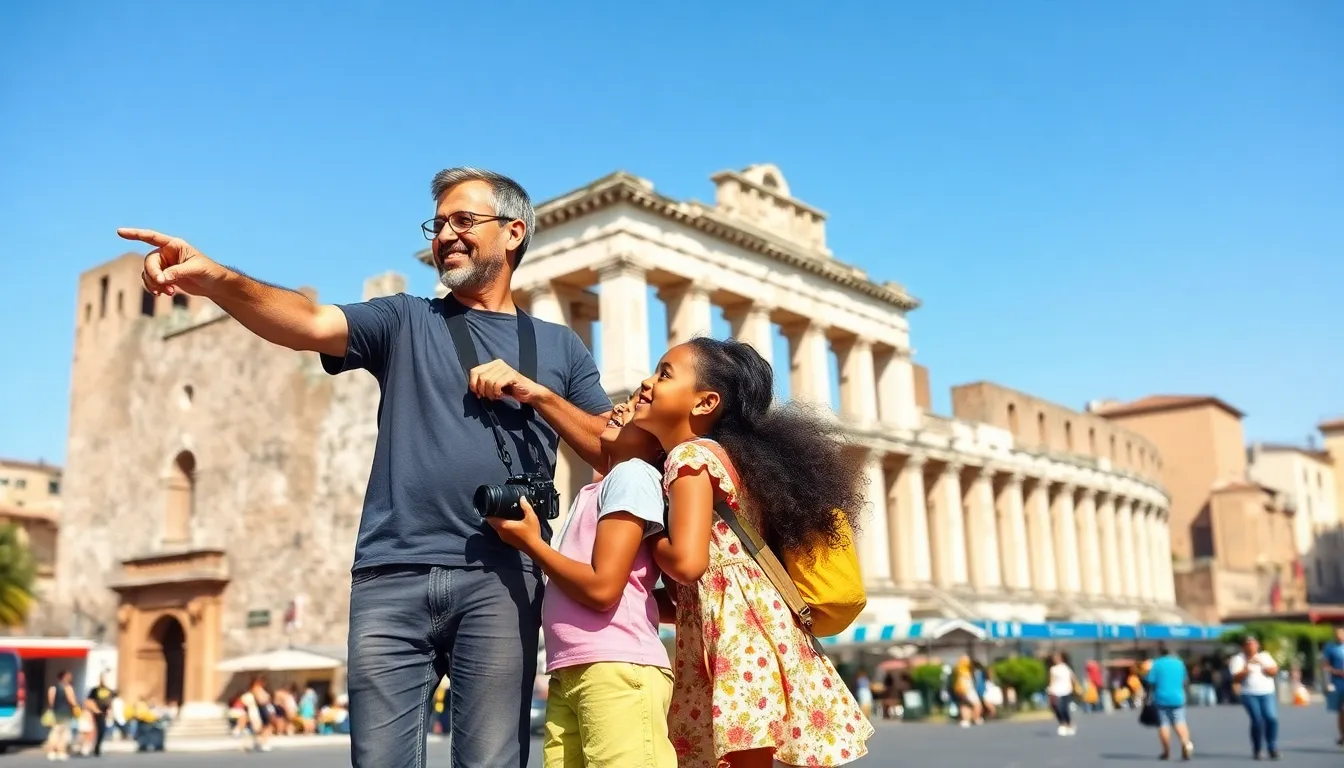
Families looking to bond while exploring the world often find cultural trips to be the perfect solution. These adventures provide a unique opportunity to immerse in diverse traditions, languages, and histories, enriching the family experience beyond the usual tourist attractions.
From vibrant festivals to historical landmarks, cultural trips can ignite curiosity and foster understanding among family members. Whether it’s wandering through ancient ruins or participating in local culinary classes, these experiences create lasting memories and strengthen family ties. Discover the benefits of cultural travel and how it can transform family vacations into unforgettable journeys of discovery.
Benefits of Cultural Trips for Families
Cultural trips provide unique advantages that enhance family experiences. Families gain educational insights while creating valued memories through shared adventures.
Learning Opportunities
Learning opportunities abound during cultural trips. Families engage with different languages, customs, and histories. Cultural experiences, like guided museum tours or artisan workshops, promote hands-on learning. Children develop cultural awareness while adults expand their global perspective. For instance, attending traditional festivals offers direct interaction with local practices. Such immersive experiences foster curiosity and inspire lifelong learning.
Strengthening Family Bonds
Strengthening family bonds occurs naturally through shared cultural experiences. Engaging in activities together, such as cooking classes or local performances, encourages teamwork and communication. Families build trust through the challenges of navigating new environments. Exploring destinations off the beaten path often sparks meaningful conversations, allowing families to connect on a deeper level. These shared memories become stories that families cherish for years.
Popular Destinations for Cultural Trips
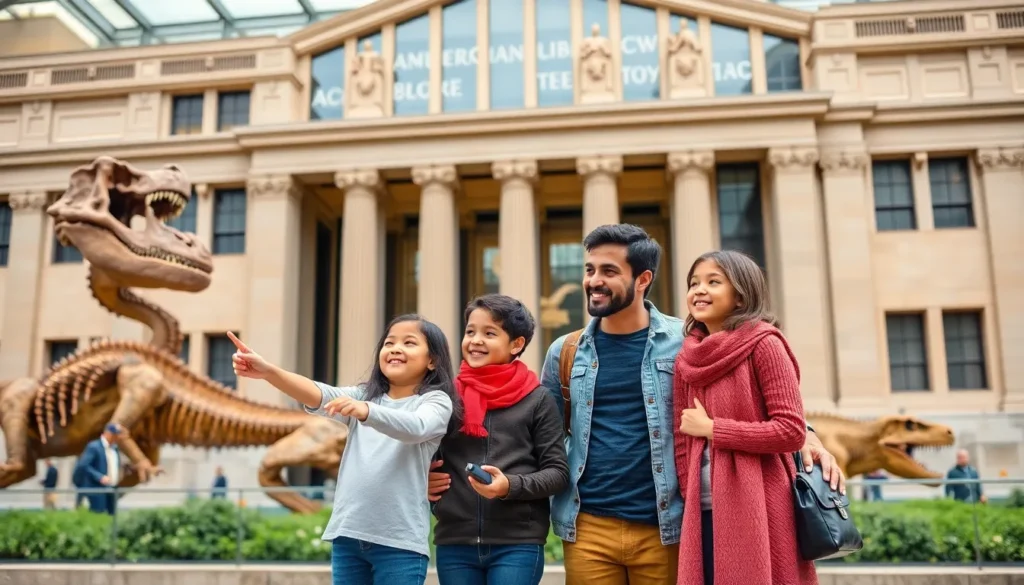
Cultural trips can take families to a variety of exciting destinations. Each location offers unique experiences that enrich understanding and foster connections among family members.
Europe
Europe boasts a wealth of cultural experiences tailored for families.
- London, England: Families can explore iconic landmarks such as the British Museum, where entry is free and historical artifacts abound. Engaging in a guided walking tour enriches knowledge of the city’s history.
- Rome, Italy: Families can visit ancient sites like the Colosseum and Vatican City. Participating in a family-friendly archaeological workshop enhances understanding of Roman history.
- Paris, France: Families can immerse themselves in the arts by visiting the Louvre Museum. Kids’ art classes introduce the creative heritage of France while enjoying beautiful Montmartre.
Asia
Asia offers diverse cultural experiences that fascinate families.
- Tokyo, Japan: Families can visit Meiji Shrine and explore vibrant neighborhoods like Asakusa. Taking part in a tea ceremony provides insights into Japanese traditions.
- Beijing, China: Families can explore the Great Wall and the Forbidden City. Interactive workshops on calligraphy and silk making enhance engagement with Chinese culture.
- Bali, Indonesia: Families can experience rich traditions through dance performances and cooking classes. Visiting local temples facilitates hands-on learning about Balinese spirituality.
North America
North America features a mix of cultural traditions that families can appreciate.
- New York City, USA: Families can visit cultural institutions like the American Museum of Natural History and the Metropolitan Museum of Art. Educational programs help children discover art and science.
- Quebec City, Canada: Families can experience French culture in this charming city. Historical walking tours of Old Quebec showcase its heritage through guided storytelling.
- Mexico City, Mexico: Families can explore ancient ruins like Teotihuacan and visit vibrant markets. Participating in local cooking classes fosters connections through culinary traditions.
Tips for Planning a Successful Cultural Trip
Planning a successful cultural trip requires careful consideration and engagement from all family members. These tips ensure families create meaningful and enjoyable experiences together.
Involve the Kids in Decision Making
Involving children in the planning stages enhances their excitement and investment in the trip. Let kids explore destination options based on their interests. Assign specific tasks, such as researching local customs or favorite activities. Encourage kids to suggest restaurants and activities, allowing for a more tailored experience. This engagement fosters a sense of responsibility and encourages open discussions about cultural differences.
Choosing the Right Accommodations
Choosing accommodations that enhance the cultural experience is essential. Opt for family-friendly hotels, hostels, or vacation rentals located in vibrant neighborhoods. Select places that offer local cuisine, cultural workshops, or guided tours. Families can benefit from staying with a local host to gain authentic insights. Prioritize amenities such as kitchen facilities and easy access to public transportation for convenience.
Activities to Enjoy on Cultural Trips
Cultural trips offer a range of engaging activities that foster family bonds while providing rich educational experiences. Families can participate in various activities, from exploring museums to joining local festivals.
Museums and Historical Sites
Visiting museums and historical sites presents families with the opportunity to learn about the world’s diverse cultures. Families can explore art, science, and history through interactive exhibits and guided tours. Popular options include:
- Children’s Museums: These spaces often feature hands-on activities designed for younger visitors, making learning fun and accessible.
- Art Galleries: Families can view renowned artworks and participate in workshops that teach techniques used by famous artists.
- Historical Landmarks: Visiting significant sites, such as ancient ruins or monuments, provides insight into a region’s past and traditions.
These venues often incorporate educational programs tailored for families, enhancing the overall experience while sparking curiosity and discussion.
Local Festivals and Events
Attending local festivals and events introduces families to regional customs, music, and food. Engaging in these celebrations creates shared memories and enriches cultural understanding. Key experiences include:
- Cultural Festivals: Events celebrating local heritage through music, dance, and cuisine allow families to immerse themselves in vibrant traditions.
- Food Festivals: Families can sample regional delicacies and learn about culinary practices through live cooking demonstrations and tastings.
- Art and Craft Fairs: Interactive art workshops enable families to create unique souvenirs while learning from local artisans.
Participating in local celebrations encourages families to connect not only with each other but also with the community, fostering a deeper appreciation for different cultures.
Cultural trips offer families a unique opportunity to explore the world while strengthening their bonds. By engaging in diverse traditions and experiences, families create lasting memories that go beyond the ordinary. These journeys not only enhance understanding of different cultures but also foster teamwork and communication among family members.
As families embark on these enriching adventures, they cultivate a sense of curiosity and appreciation for global diversity. The shared experiences gained through cultural exploration can lead to meaningful conversations and cherished moments that last a lifetime. Ultimately, choosing cultural travel can transform family vacations into unforgettable journeys filled with learning and connection.