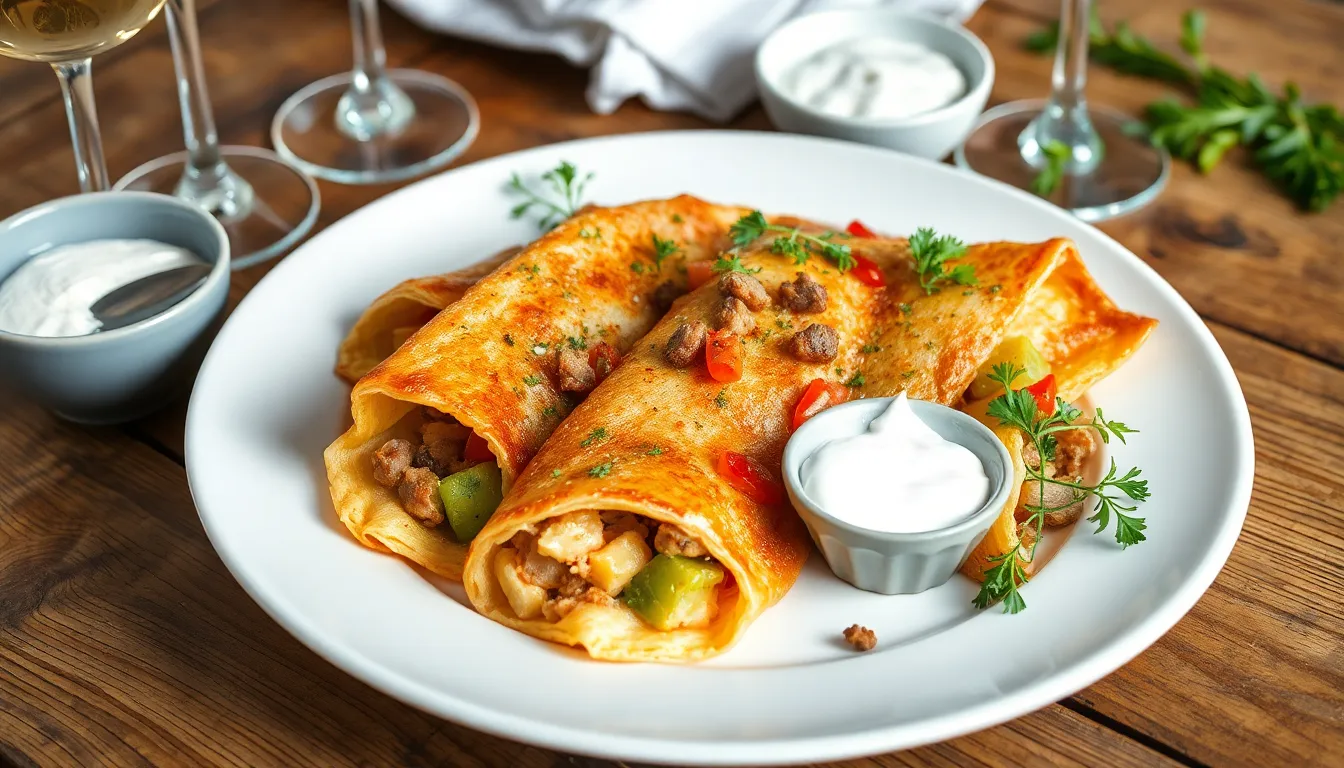
Balkespagnolletten might sound like a complicated dish from a fancy restaurant, but it’s actually a delightful culinary gem that’ll have taste buds dancing. Picture this: crispy layers of pastry enveloping a savory filling that brings together flavors from different corners of the world. It’s the kind of dish that makes you wonder why it hasn’t taken over every dinner table yet.
Overview of Balkespagnolletten
Balkespagnolletten represents a unique culinary experience characterized by its flaky pastry and rich fillings. This dish captivates with a combination of spices and ingredients from various cuisines, creating a delicious contrast of flavors. Originating from a blend of cultural influences, it brings together the best of diverse cooking traditions.
Layers of crisp pastry envelop a savory filling that often includes ingredients like meats, vegetables, and cheeses. Traditional fillings vary, showcasing regional tastes while maintaining a consistent flaky texture. The light, airy crust complements the hearty filling, making each bite satisfying.
Preparation involves rolling the pastry thinly and assembling it with care. Chefs focus on achieving the right balance between the pastry’s crunch and the filling’s flavor intensity. Typically baked until golden brown, the final product presents an attractive appearance, making it suitable for both casual and formal dining.
Balkespagnolletten often appears in diverse settings, from family gatherings to gourmet restaurants. Chefs adapt it to seasonal ingredients, showcasing creativity and presenting new interpretations of the dish. Event planners recognize its versatility, offering it at parties and social events for guests to enjoy as a delightful appetizer or main course.
In sum, Balkespagnolletten stands out due to its texture, flavors, and adaptability. Enthusiasts appreciate both the dish’s history and its modern variations, solidifying its place in contemporary gastronomy. Dining experiences featuring Balkespagnolletten offer an occasion to savor a unique fusion of culinary artistry, inviting patrons to explore its exciting flavors.
History and Origin
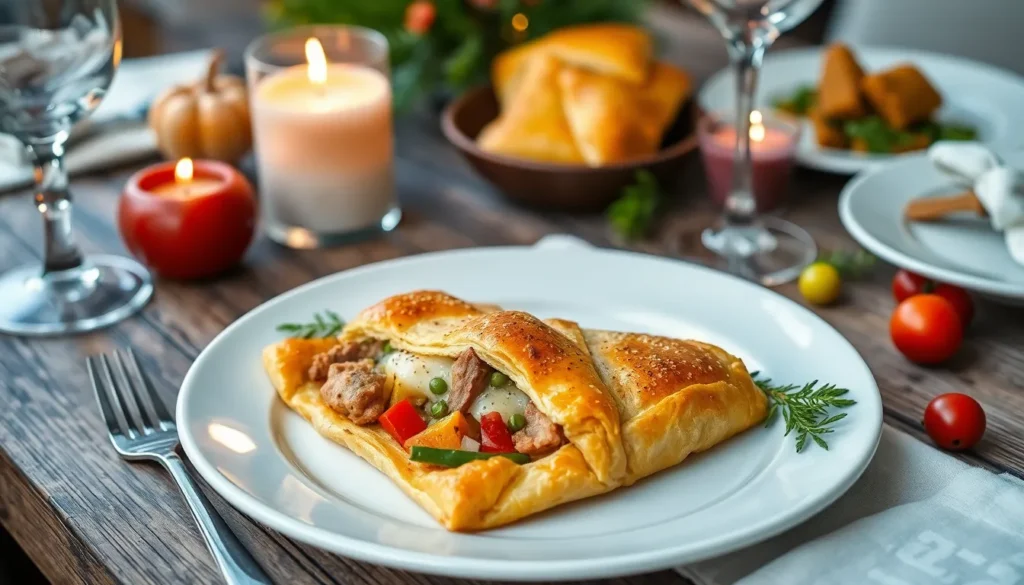
Balkespagnolletten boasts a rich history rooted in diverse culinary traditions. Its origins trace back to the merging of various cultural influences, highlighting the adaptability of regional tastes.
Cultural Significance
Balkespagnolletten represents a fusion of flavors and techniques from multiple cultures. The dish often features local ingredients, making it a favorite during celebrations and gatherings. Communities value its ability to bring people together, often serving it in festive contexts. Moreover, the dish reflects culinary creativity, inviting chefs to experiment with fillings and presentation. This dynamic interplay of foods emphasizes the importance of tradition while embracing modern influences.
Evolution of the Dish
Over time, Balkespagnolletten has evolved into an emblem of culinary innovation. Once a simple pastry, it now incorporates global flavors, adapting to contemporary palates. Chefs experiment with unique fillings, such as spiced meats, vegetables, and cheeses, introducing new dimensions to the taste. As dining trends shift, this dish remains relevant, available in both casual and upscale restaurants. The continued evolution ensures that Balkespagnolletten captivates new generations, making it a staple in modern cuisine.
Ingredients and Preparation
Balkespagnolletten combines diverse ingredients to create its unique flavor and texture. This dish features a variety of key components that enhance its appeal.
Key Ingredients
- Pastry Layers: Flaky pastry forms the base, contributing to the dish’s crunchy texture.
- Savory Fillings: Common options include a mixture of meat, cheese, and vegetables, providing richness.
- Spices: A blend of spices like paprika, cumin, and pepper adds depth to the filling’s flavor.
- Herbs: Fresh herbs, such as parsley or dill, brighten the dish, offering freshness.
- Egg Wash: An egg wash gives the pastry a beautiful golden sheen when baked.
Step-by-Step Preparation
- Prepare Pastry: Roll the pastry thinly into sheets, ensuring even thickness for consistent baking.
- Make Filling: Sauté selected meat, vegetables, and spices in a pan until cooked and well-combined.
- Assemble Layers: Place a portion of the filling on the pastry, folding over the edges to encase it.
- Brush with Egg: Apply egg wash to the outer layer for a golden finish during baking.
- Bake: Place in a preheated oven at 375°F, baking until golden brown, typically 20-25 minutes.
Taste and Texture Profile
Balkespagnolletten offers a distinct balance of crunchiness and soft, flavorful fillings. Each bite reveals a harmonious blend of textures and tastes.
Flavor Combinations
Savory fillings often include robust meats, creamy cheeses, and seasonal vegetables, creating a layered taste experience. Spice blends like paprika, cumin, and freshly chopped herbs elevate the overall flavor, introducing a global flair. Diners enjoy variations infused with local ingredients, enhancing regional appeal. For instance, a Mediterranean twist may incorporate olives and feta, while a South American variation might feature spicy chorizo and black beans. This versatility in flavor combinations makes Balkespagnolletten popular across diverse culinary landscapes.
Ideal Pairings
Pairing Balkespagnolletten with complementary sides enhances the dining experience. A crisp green salad with a light vinaigrette balances the dish’s richness. Additionally, savory dips, such as tzatziki or a spicy salsa, add an extra layer of flavor. Diners often enjoy these combinations with a glass of chilled white wine or a refreshing craft beer. Such pairings highlight the dish’s adaptability, making it suitable for various occasions, from casual gatherings to upscale dining experiences.
Variations of Balkespagnolletten
Balkespagnolletten showcases numerous adaptations across regions, emphasizing local flavors and ingredients.
Regional Differences
Regional differences enhance the appeal of Balkespagnolletten. For instance, Mediterranean versions often incorporate olives and feta cheese, while Middle Eastern adaptations might include lamb with spices like sumac and za’atar. In contrast, Asian-inspired variations may feature fresh herbs, sesame oil, and soy sauce, transforming the dish into a fusion delight. Each variation highlights the use of seasonal produce and traditional practices that reflect the culinary heritage of the area. Diners appreciate how these adaptations cater to different palates and cultural preferences, making Balkespagnolletten a globally recognized favorite.
Unique Twists
Unique twists elevate Balkespagnolletten, allowing chefs to push culinary boundaries. Innovative fillings such as spicy chorizo paired with black beans create a South American flair. Sweet potato and goat cheese introduce a contemporary vegetarian option, appealing to a broader audience. Some chefs infuse flavors with infused oils or specialty herbs, adding delicate nuances to the fillings. Experimentation with sauces, like spicy aioli or tangy chimichurri, enhances the dish’s versatility. These unique twists not only captivate diners but also invite exploration of new flavor combinations while maintaining the dish’s core essence.
Balkespagnolletten captures the essence of culinary creativity and cultural fusion. Its delightful layers and rich fillings offer a unique experience that appeals to a wide range of palates. This dish not only showcases diverse flavors but also highlights the adaptability of global cuisines.
As it continues to evolve, Balkespagnolletten remains a beloved choice for both casual and formal dining. With its endless variations and innovative twists, it invites chefs and home cooks alike to explore new flavor combinations. Whether enjoyed at a family gathering or a gourmet restaurant, Balkespagnolletten is sure to impress and satisfy.